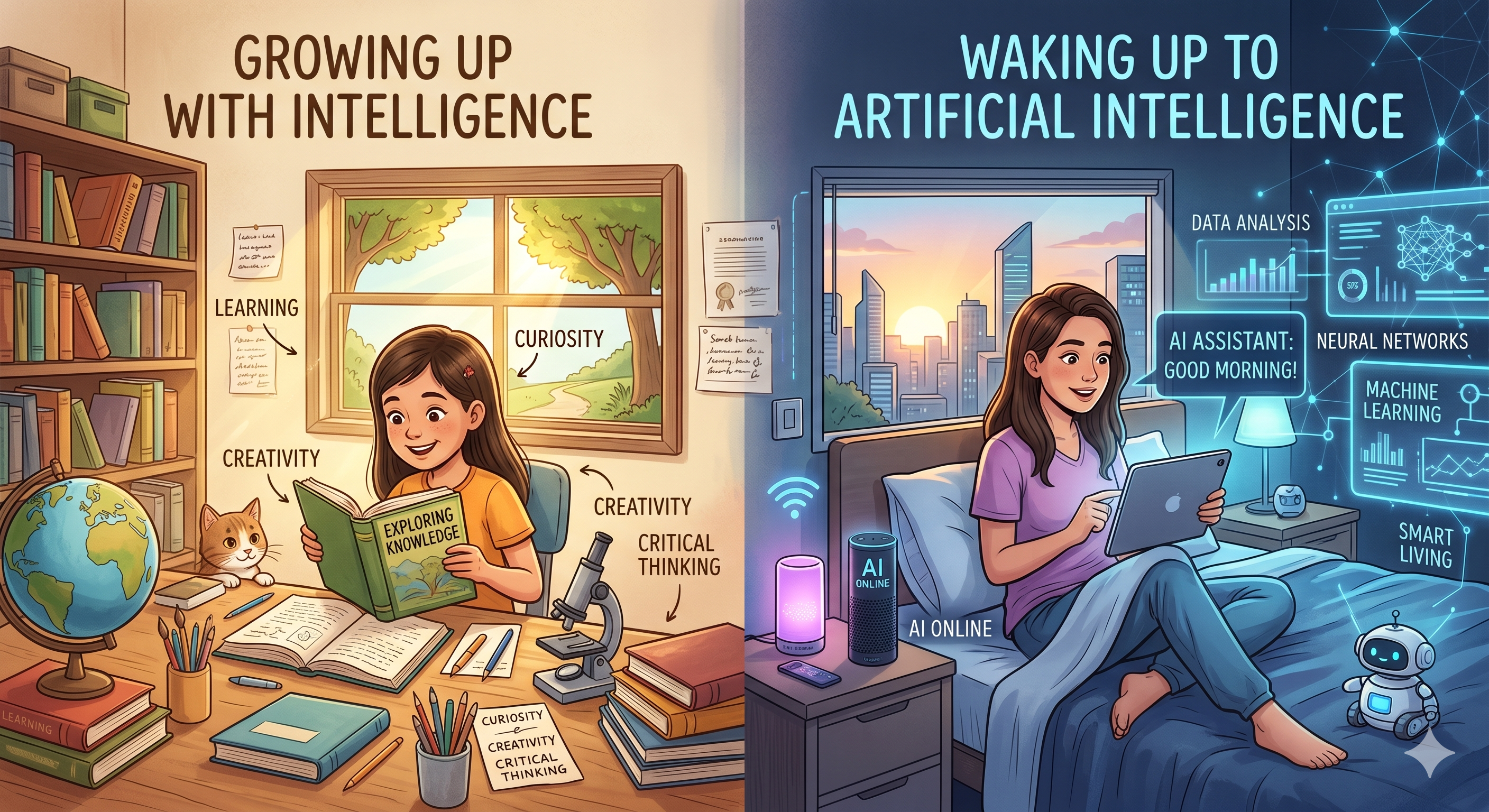
We've crossed a threshold. AI models are no longer confined to a single modality — they can see, hear, read, write, and generate across text, image, video, and code simultaneously. This convergence is reshaping what it means to be a creator.
What is Multimodal AI?
At its core, multimodal AI refers to models that can process and generate content across multiple types of media. Unlike earlier models that were specialists — GPT for text, DALL-E for images, Whisper for audio — today's frontier models are generalists.
The Capabilities Today
Current multimodal models can:
- Analyze images and answer questions about them with remarkable accuracy.
- Generate images from text descriptions that rival professional photography.
- Understand video — summarizing, searching, and generating clips.
- Write and debug code informed by visual mockups.
- Reason across modalities — using images to inform text generation and vice versa.
Impact on Creative Work
The implications for creators are profound — and nuanced.
The Amplification Effect
AI doesn't replace creativity; it amplifies it. A solo creator can now produce work that previously required an entire team:
- Writers can generate illustrations for their articles.
- Designers can prototype functional apps from mockups.
- Filmmakers can storyboard, generate B-roll, and compose scores.
- Developers can build interfaces by describing them in natural language.
The Taste Premium
When everyone has access to infinite generation capability, the differentiator shifts from production skill to taste. The ability to curate, refine, and direct AI output becomes the premium skill.
"In a world of infinite creation, curation becomes the art."
The Technical Landscape
Architecture Evolution
The key architectural breakthrough enabling multimodal AI is the unified representation space. Instead of separate encoders for each modality, frontier models learn a shared embedding space where text, images, and audio exist as points in the same mathematical universe.
This means the model doesn't just translate between modalities — it genuinely understands the relationships between them.
Training at Scale
These models are trained on vast datasets spanning:
- Web-scale text from books, articles, and documentation.
- Image-text pairs from captioned images across the internet.
- Video data with transcripts and descriptions.
- Code repositories with documentation and tests.
The scale is staggering — trillions of tokens across all modalities.
Ethical Considerations
With great capability comes great responsibility:
Attribution and Ownership
Who owns the output of a multimodal AI? The person who prompted it? The creators whose work trained it? This remains one of the most contested questions in tech.
Deepfakes and Misinformation
The ability to generate photorealistic images and convincing video creates unprecedented risks for misinformation. Watermarking, detection tools, and media literacy education are critical safeguards.
Environmental Cost
Training frontier models requires enormous computational resources. The environmental impact of these systems is non-trivial and must be factored into our assessment of their value.
What's Next
The trajectory is clear: AI will become an invisible creative layer — as natural and ubiquitous as spellcheck or autocomplete. The creators who thrive will be those who learn to collaborate with AI rather than compete against it.