Why Everything You Love Exists Because of Marketing Strategy?
You've often heard people say that life has a purpose, but what if I told you that everything you see around you has a purpose too? And that is what we call a good marketing strategy? So I am going to begin this self-realisation with the most random thing you do, Walking on the road when you step out on the road, you see billboards; when you turn on the TV, ads start playing; when you walk into a shop, you're surrounded by boards, displays, and campaigns which promote products; and your favorite escape, Instagram, is filled with brands the moment you open it. It all feels so normal that you barely notice it anymore. But have you ever paused for a second and wondered what is happening here? Is all of this just random, or is there something much bigger and smarter working behind the scenes? Let me change your perspective by the end this blog post
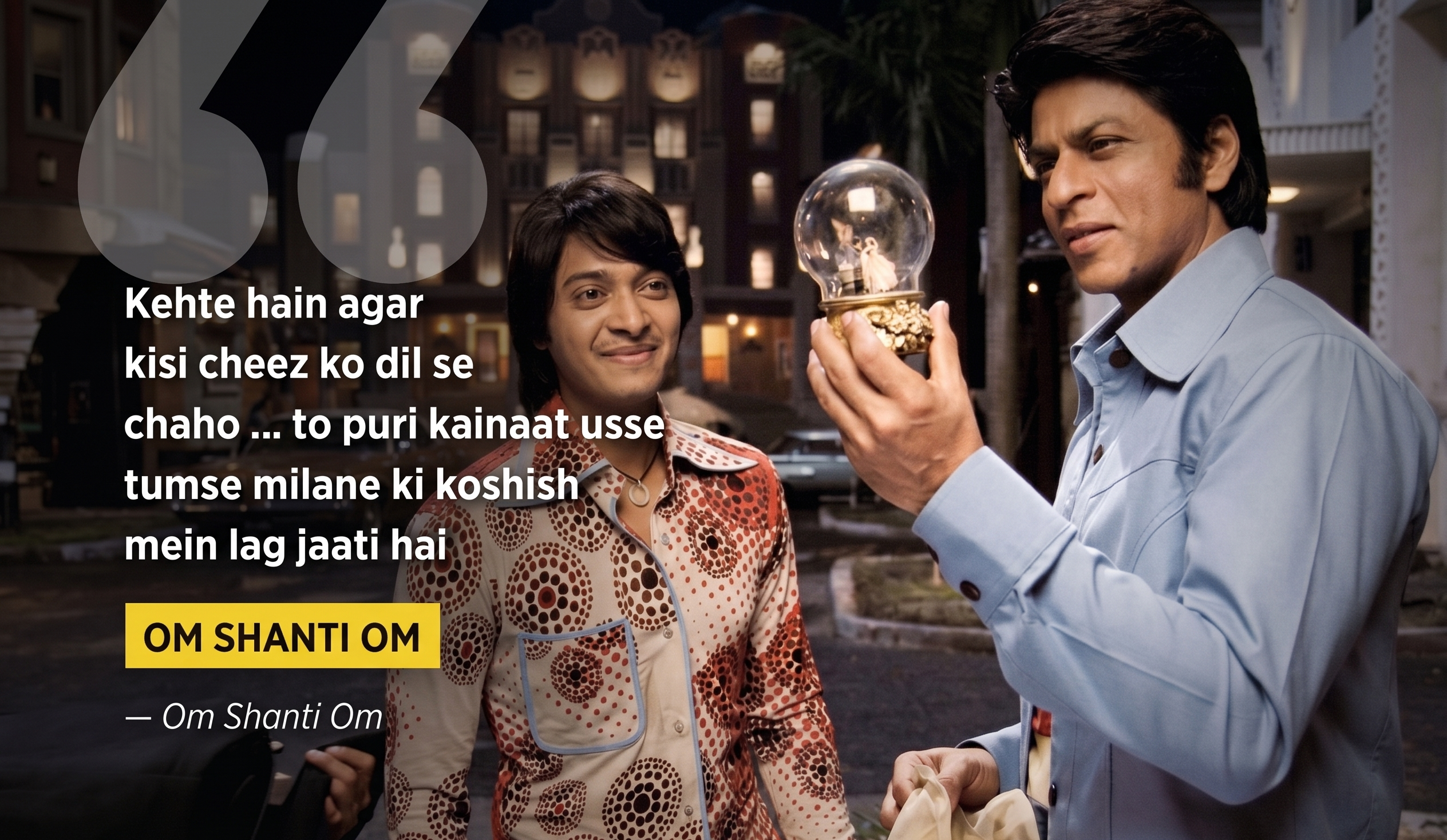
“Kehte hain agar kisi cheez ko dil se chaho toh puri kainaat use tumse milane ki koshish mein lag jaati hai.”
What is Marketing?
Honestly, Shah Rukh Khan might have been talking about love… but in today's world, it feels like he accidentally defines marketing. Because now, you don't even have to wish “dil se” for something. Just think about it once, search it casually, and suddenly the entire internet starts behaving like your personal matchmaker. Yesterday, you casually thought about buying a new phone. You searched for it in your free time, and suddenly today your entire phone is filled with ads for it. Instagram, YouTube, Google everywhere. It feels like magic, right? Marketing is not just about selling products. It is about understanding people so deeply that what you see feels like it was meant just for you. It is the process where the right message reaches the right person at the perfect time and makes them stop, feel, and sometimes even take action without realizing why. It starts with listening, understanding what you want, what you need, and even what you have not thought about yet. Then it shapes those insights into something valuable and presents it in a way that feels natural, not forced. Whether it is an ad, a recommendation, or a simple product experience, marketing connects you to things that fit into your life.
What is the Importance of Marketing?
If you had asked me this question a year ago, my answer might have been different. But today, we are living in a world filled with billions of ideas, endless resources, and constant competition. Human intelligence is now working alongside artificial intelligence, making everything faster and more accessible than ever before. So the real question is not what to create, but how will you stand out in the market? The answer is marketing. It is how you present your brand and connect with people on a human level. In today's world, the importance of marketing has increased because without it, even the best ideas can go unnoticed. Marketing is what drives sales. No matter how good your product is, it will not sell if people are not aware of it. A strong marketing plan helps you reach the right audience and turn interest into action. It also builds visibility. In a crowded market, creating a product is not enough. Smart business advertising ensures that your brand is seen, remembered, and trusted. Most importantly, marketing supports long-term success. Whether through traditional methods or a well-planned digital marketing strategy, consistent efforts help brands stay relevant and grow over time. A strong example is Zomato. From witty notifications to relatable social media campaigns, Zomato has turned simple food delivery into a brand people enjoy engaging with. In the end, marketing is not an extra effort, it is the reason a brand grows, survives, and stands out in a competitive world.
Types of Marketing
Marketing is not just one simple concept, it works in different ways depending on who is selling and who is buying. If you really want to understand how marketing businesses operate today, you need to look at these types closely.
B2B Marketing
B2B, or business to business, is when one company sells its products or services to another company. This could be anything from software tools to raw materials. Here, decisions are more practical and based on value, results, and long-term benefits. This kind of marketing strategy focuses more on trust, performance, and clear communication rather than emotions.
B2C Marketing
B2C, or business to consumer, is what you experience every day. Whether you are shopping online, ordering food, or watching ads on social media, it all comes under this. Brands like Zomato use engaging content and smart digital marketing techniques to grab attention and influence your choices.
C2B Marketing
C2B means consumer to business. In this case, individuals create value for companies. For example, influencers collaborating with brands or freelancers offering services. This type has grown rapidly with the rise of digital marketing for business, where individuals play an important role in shaping brand presence.
C2C Marketing
C2C, or consumer to consumer, happens when people directly interact and exchange products or services with each other. Platforms like OLX allow users to buy and sell without any middleman. This form also supports business promotion in an indirect way by increasing product reach and awareness. No matter the type, the purpose remains the same to connect people, create value, and make the exchange meaningful. That is the real importance of marketing in today's fast-moving world.
Impact of AI on Marketing
AI has become one of the most talked-about changes in marketing today, raising a simple question, will it transform the industry or replace marketers? The reality is clear. Learning AI is no longer optional. If a king does not know how to fight in his own battlefield, defeat is certain. The same applies to marketers who ignore this shift. One of the biggest impacts of AI is improved efficiency. Tasks like writing ad copy, creating visuals, analyzing campaigns, and automating emails are now faster and easier. This has completely changed how digital marketing functions, allowing marketers to focus more on ideas rather than just execution. Content creation has also become quicker, with first drafts ready in minutes, which can then be refined to fit a strong marketing strategy. AI also supports better decision-making. It helps analyze large amounts of data, making it easier to plan and adjust a digital marketing strategy based on real insights. However, human thinking still plays a key role in final decisions. In terms of careers, AI is reshaping roles rather than removing them. Professionals who adapt can build stronger business marketing strategies and stay competitive. At the same time, overuse of AI can lead to generic content, so maintaining originality and a human touch remains important.
The Invisible Force Behind Everything You Choose
By now, you might have realized something powerful. Nothing around you is as random as it feels. Every product you notice, every ad you skip, every brand you trust is carefully designed, placed, and timed through a well planned marketing strategy. It is not there to interrupt your life but to fit into it so naturally that you do not question it. Marketing is not just a function for companies. It is the silent architect behind marketing your business and influencing consumer choices. It shapes what you discover, what you desire, and sometimes even what you believe you need. From the billboards you pass to the content you consume daily, strong business marketing strategies and smart business advertising ensure that brands stay visible and relevant. In today's fast moving world, where attention is the most valuable currency, the brands that win are not the ones who shout the loudest, but the ones who understand you the best. That is the real power of digital marketing and a result driven digital marketing strategy. It does not just sell, it connects, engages, and builds lasting relationships. So the next time you find yourself clicking on an ad, choosing one brand over another, or even thinking about something you saw online, pause for a second. Ask yourself Was it your choice, or was it great marketing?
FAQ
-
What exactly does marketing mean?
- Marketing is the process of understanding people's needs and connecting them with the right products or services at the right time. It goes beyond selling it shapes experiences, communicates value, and builds relationships between brands and consumers using digital marketing, business advertising, and effective marketing strategies.
-
How does marketing influence our daily choices?
- Marketing subtly shapes our decisions through targeted ads, product placements, and recommendations. By understanding preferences and habits, brands ensure the right message reaches the right person, making choices feel natural, even though they are guided by a smart marketing strategy and digital marketing campaigns.
-
Why is marketing important for a business?
- Marketing creates visibility, builds trust, and drives sales. Even the best products can fail without the right marketing strategy. By connecting with the right audience, a business can grow, stay competitive, and establish a strong presence through digital marketing and business advertising.
-
How do brands like Zomato use marketing to stay relevant?
- Brands like Zomato leverage creative content, witty notifications, and relatable campaigns to engage consumers. Using effective digital marketing strategies and business advertising, they ensure visibility, build trust, and remain memorable, turning simple services into a recognizable, preferred brand.
-
What are the main types of marketing strategies (B2B, B2C, C2B, C2C)?
- Marketing strategies vary by audience: B2B targets businesses with value-driven solutions, B2C engages consumers, C2B allows individuals to offer services to companies, and C2C connects consumers directly. Each type uses tailored digital marketing and business advertising to create value, influence decisions, and strengthen brand presence.
-
What is the difference between B2B and B2C marketing?
- B2B marketing focuses on building trust, long-term relationships, and measurable results for businesses. B2C marketing appeals to emotions and convenience, targeting individual consumers. Both use marketing strategies like content marketing and digital marketing campaigns, but differ in messaging, buying process, and decision-making priorities.
-
How does digital marketing work in today's world?
- Digital marketing uses online platforms, social media, email campaigns, SEO, and targeted ads to connect brands with consumers. It relies on data and insights to deliver personalized messages, making interactions meaningful and increasing visibility, engagement, and conversions through effective marketing strategies and business advertising.
-
How has AI changed marketing strategies?
- AI enhances marketing strategies by automating tasks, analyzing data, predicting trends, and personalizing campaigns. It allows marketers to focus on creativity and decision-making. From ad targeting to content creation, AI improves efficiency and precision while complementing human insights in digital marketing.
-
Will AI replace marketers in the future?
- AI will not replace marketers but reshape their roles. Professionals who adapt can leverage AI for efficiency, insights, and personalized campaigns. Human creativity and strategy remain essential to build strong marketing strategies, effective business advertising, and meaningful connections with consumers.
-
How do brands know what I want even before I search for it?
- Brands use data analytics, browsing behavior, and AI algorithms to predict consumer preferences. By tracking searches, clicks, and interests, marketing strategies deliver personalized ads and recommendations, making it seem like brands know your needs before you search, through smart digital marketing campaigns.
-
What makes a good marketing strategy successful?
- A successful marketing strategy understands the audience, communicates value, and engages consistently. It combines creativity, data insights, and timing to influence decisions, build trust, and ensure growth through digital marketing and effective business advertising.
-
How does marketing affect consumer behavior?
- Marketing shapes consumer behavior by influencing awareness, perception, and preferences. Through persuasive messaging, personalized experiences, and emotional appeal, marketing strategies guide choices, build loyalty, and drive action, making products or services more desirable in daily life.
-
What are the benefits of digital marketing for small businesses?
- Digital marketing helps small businesses reach wider audiences, build brand awareness, and compete with larger brands. Cost-effective strategies like social media, SEO, and email campaigns increase visibility, engagement, and sales while allowing precise tracking of marketing strategy performance and ROI.
-
What role does storytelling play in marketing?
- Storytelling connects brands with consumers emotionally, making messages memorable and relatable. By sharing stories that resonate, businesses build trust and engagement. It is a key element of any marketing strategy, especially in digital marketing campaigns and business advertising.
-
How can I use marketing to grow my brand?
- To grow your brand, focus on understanding your audience, crafting valuable messages, and maintaining visibility. Use digital marketing tools, social media engagement, content creation, and marketing strategies to connect, influence decisions, and build long-term trust with consumers.